Baronnies Provençales & Ventoux
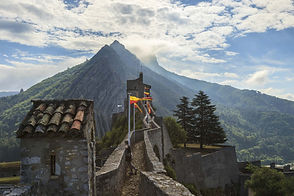
The Baronnies are characterized by their mountains, deep valleys, and a Mediterranean climate influenced by altitude.
Middle Ages: A Fragmented and Contested Territory
The name "Baronnies" recalls that this region was once divided into small lordships ruled by local barons.
The area was a point of friction between the Dauphiné and Provence, and this balance of power left the Baronnies subject to feudal rivalries and the ambitions of noble houses.
A Stage for the Wars of Religion
In the 16th century, the Baronnies Provençales were deeply affected by the Wars of Religion, particularly by the dissent of the Waldensians and later the Huguenots. The region—including towns such as Nyons and Buis-les-Baronnies—became a battleground between Catholics and Protestants.
Huguenots found refuge there, but the fighting and repression severely weakened towns and villages.
17th to 19th Centuries: Feudal Decline and Revolution
Following the religious unrest, seigneurial power gradually faded with royal centralization under Louis XIV. Then, the French Revolution abolished the last remnants of the feudal system and fully integrated the region into the Republic.
However, difficult economic conditions and geographical isolation meant that the region remained poor.
20th and 21st Centuries: A Preserved Rural Territory
In the 20th century, the Baronnies remained on the margins of industrialization and experienced significant rural depopulation, reinforcing their wild and unspoiled character.
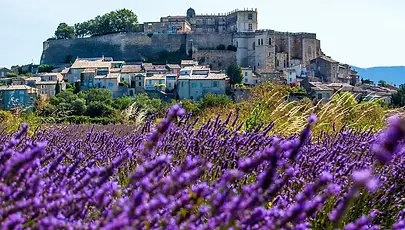
From the 1980s onward, rural tourism and the promotion of local products (olive oil, lavender, cheese, wine) gave the region a new economic vitality.
The Barronies Provençales
A historic frontier region between Dauphiné and Provence

-->